
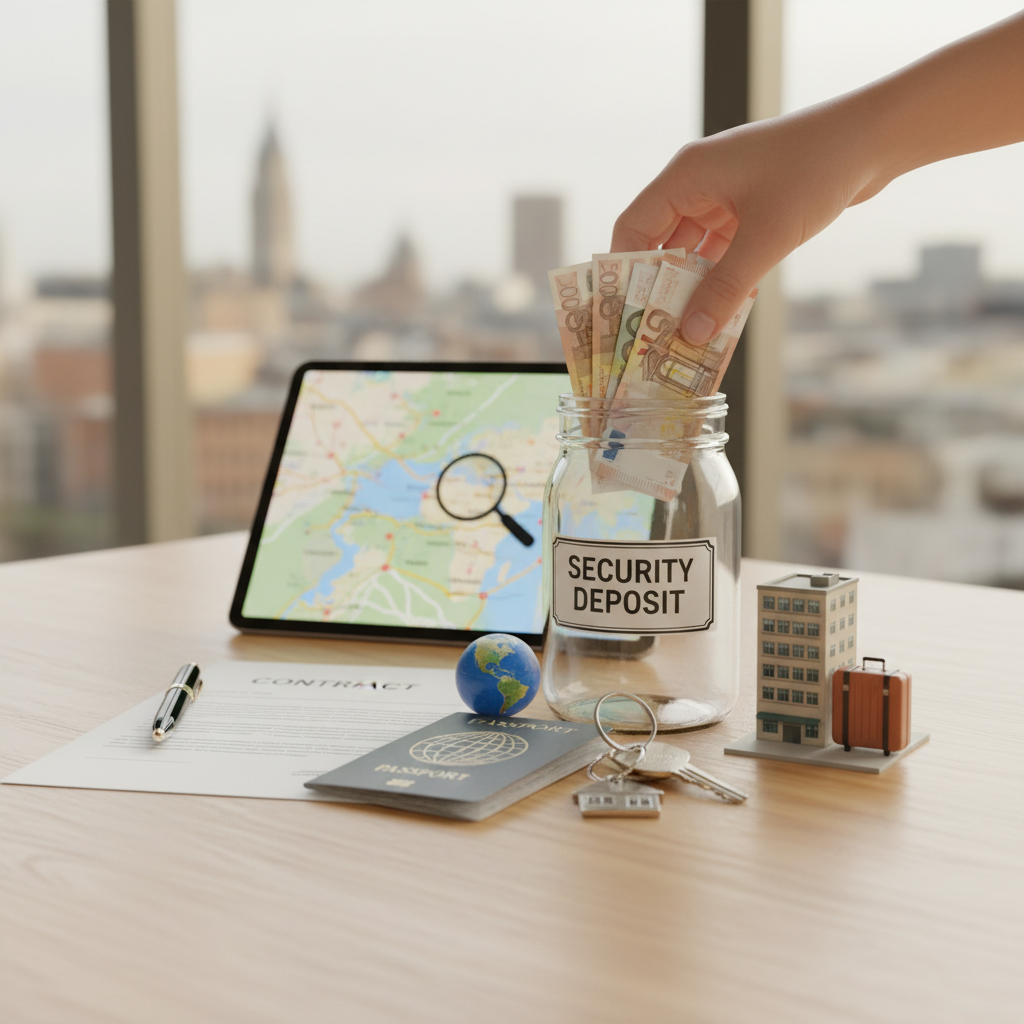

Understanding Security Deposits Abroad
When moving abroad or leasing property in a different country, security deposits are a common requirement. These deposits act as a financial safeguard for landlords in case of damages or unpaid rent. For newcomers to international renting, the rules, expectations, and practices around security deposits can be quite different from what’s familiar at home. Grasping these nuances helps ensure smooth tenancy agreements and protects your funds.
What Is a Security Deposit?
A security deposit is a sum paid upfront to the landlord or property management at the beginning of a lease. It is typically refundable at the end of the tenancy if the property is left in good condition and all rental obligations are met. The deposit amount varies widely across countries, locations, and types of properties, often ranging from one to six months’ worth of rent.
Are Security Deposit Amounts in Other Countries Similar to the U.S.?
In the United States, security deposits are usually capped at one or two months’ rent. Abroad, practices differ significantly. For example, in parts of Europe like Germany or the Netherlands, deposits commonly hover around three months’ rent. Conversely, in some Asian countries, deposits as high as six months' rent can be standard. Understanding local customs prevents surprises when signing a lease and helps you plan your finances accordingly.
The Legal Framework Around Security Deposits
Legal protections for tenants regarding security deposits vary globally. Some countries impose strict limits on how much landlords can ask for, along with clear rules about deposit refunds and deductions. Others offer less regulation, making it essential to clarify these terms before signing. Knowing the legal landscape helps you secure your deposit and ensures fair treatment during and after your tenancy.
Process of Paying and Securing Your Deposit
The payment process usually involves transferring funds directly to the landlord or into a designated escrow account. Using official payment methods provides evidence of payment and minimizes disputes. It's wise to obtain a receipt and document the property’s condition at move-in with photos or a walkthrough report. Such documentation supports your case for the refund at the end of the lease.
The Role of Security Deposits in International Structuring
For location-flexible entrepreneurs or investors, understanding security deposits becomes part of broader international structuring. When leasing property abroad for business or personal use, it’s important to consider how deposits are handled across borders. Some countries demand larger deposits or have different processes for refunding. Incorporating this into your planning ensures that funds are protected and that your tenancy aligns with your global mobility goals.
Managing Security Deposits in the Context of Multiple Residencies
If you maintain residences in several countries, keeping track of security deposits can become complex. Record each deposit’s amount, location, and refund status. Some regions allow depositing deposits into a local bank account, others might require holding them in escrow or through agent-managed accounts. Managing these details prevents loss of funds and supports smoother transitions between properties.
What to Do If Your Deposit Is Disputed or Not Refundable
Disputes over security deposits are common especially in markets with minimal regulation. Always review the lease agreement for conditions that might justify withholding part of your deposit. If a dispute arises, gather evidence such as photos, communication records, and the move-in checklist. When possible, work directly with landlords to resolve issues. If informal resolution fails, local tenant rights organizations or legal counsel can assist with claims for refunding deposits.
Practical Tips for International Renters
- Research common deposit practices in your target country to set realistic expectations.
- Use traceable payment methods and keep all receipts and documentation.
- Inspect the property thoroughly at move-in and document its condition.
- Understand legal rights regarding deposit refunds and dispute resolution.
- Include clear clauses about deposit deductions and refund timelines in your lease agreement.
In Summary
Security deposits abroad are more than just a financial formality—they reflect local customs and legal protections. Being informed about what to expect, how to manage deposits, and how to handle potential disputes can streamline your international housing experience. Preparing for these aspects ensures your commitment abroad remains smooth and financially secure.