
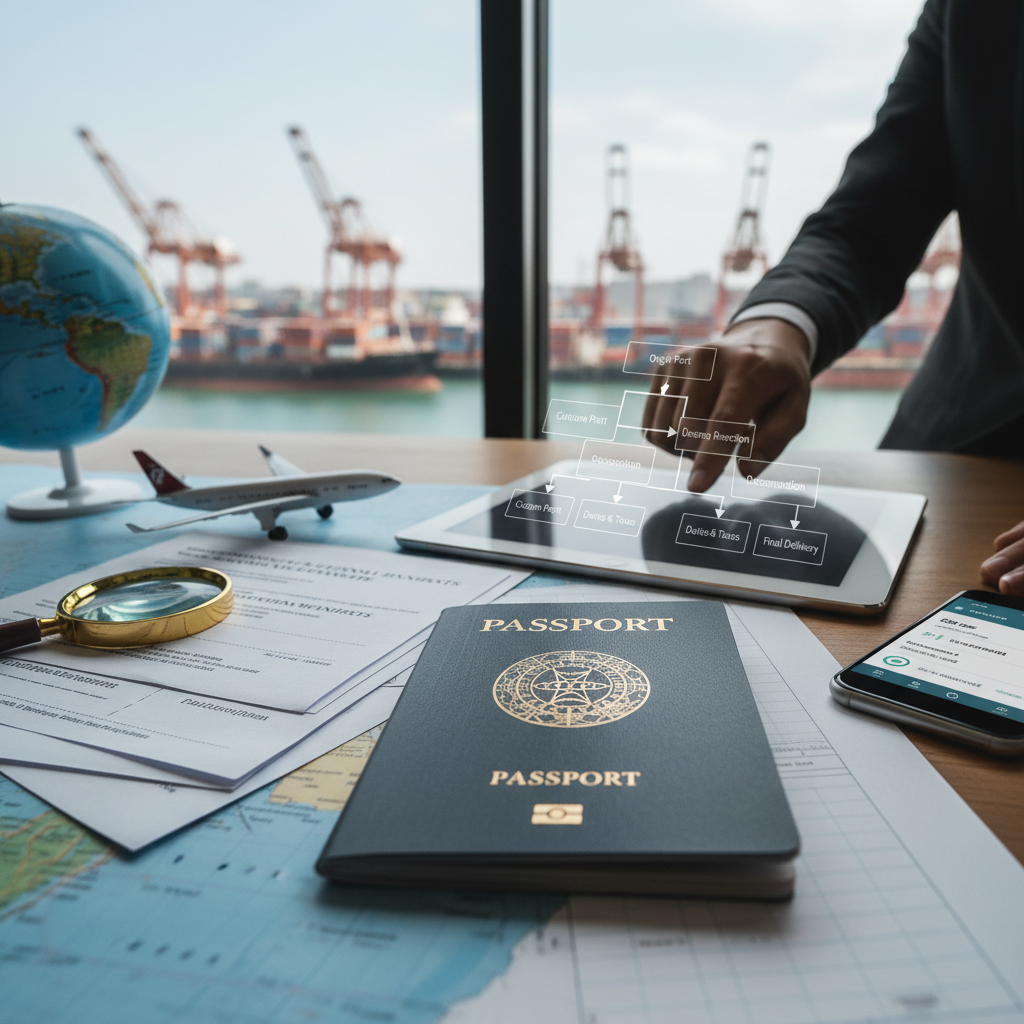

Introduction: The Hidden Gatekeeper of International Trade
Moving goods across borders isn’t just about packing items and booking transport. Behind the scenes, customs clearance acts as the gatekeeper, ensuring that every shipment complies with a country's legal and regulatory framework. For entrepreneurs and investors who rely on international logistics, understanding this process is crucial to avoid delays, penalties, or confiscation.
What Is Customs Clearance?
Customs clearance is the process that officials use to inspect and approve shipments entering or leaving a country. It involves verifying that all necessary documentation is in order, ensuring duties and taxes are paid, and confirming compliance with local regulations. Think of it as a series of checkpoints that verify the legitimacy and safety of international shipments.
Why Does Customs Clearance Matter?
Efficient customs clearance minimizes delays, reduces costs, and ensures your goods reach their destination without unnecessary hold-ups. Failure to comply can result in hefty fines, confiscation, or even legal action. For globally minded entrepreneurs, losing time can translate into missed opportunities or disrupted supply chains.
The Core Components of Customs Clearance
- Documentation: Proper paperwork is essential. This typically includes the commercial invoice, packing list, bill of lading or airway bill, import/export permits, and certificates of origin or compliance.
- Declaration: Customs authorities require shipments to be declared. This involves providing accurate details about the contents, value, and destination of the goods.
- Payment of Duties and Taxes: Customs duties are tariffs imposed on imports. Taxes may include value-added tax (VAT) or sales tax, depending on the country.
- Inspection and Examination: Customs officials may inspect shipments either visibly or through scanning to verify content and compliance.
Step-by-Step Guide to Customs Clearance
- Preparation of Documents: Gather all relevant paperwork, ensuring accuracy and completeness.
- Submission of Declaration: Submit your shipment details electronically or on paper to the customs authority.
- Assessment of Duties and Taxes: Customs calculates the applicable tariffs and taxes based on the declared value and classification.
- Payment: Pay the assessed duties and taxes to proceed.
- Inspection: Customs may physically examine your goods; cooperate and provide access as needed.
- Release of Goods: Once cleared, goods are released, and you can proceed with distribution or storage.
Common Challenges in Customs Clearance
Despite thorough preparation, issues can arise. These include discrepancies in documentation, misclassification of goods, undervaluation, or misunderstandings of local regulations. Such issues can cause delays or fines and may require additional documentation or appeals.
How to Streamline the Customs Clearance Process
- Accurate Documentation: Double-check all paperwork, especially trade descriptions, values, and classifications.
- Clear Classifications: Use the Harmonized System (HS) codes precisely to categorize goods correctly.
- Pre-emptive Communication: Work closely with customs brokers or logistics providers who understand local customs procedures.
- Stay Updated: Regulations evolve; regularly review updates from customs authorities and trade agreements.
- Use Technology: Electronic declarations expedite processing and reduce errors.
Working with Customs Brokers and International Partners
Many entrepreneurs find that partnering with focused customs brokers simplifies the process. These professionals understand the nuances of local regulations, help prepare accurate documentation, and can swiftly address issues during clearance. Their expertise becomes an asset in maintaining smooth logistics operations across borders.
Final Thoughts: Keep It Simple and Transparent
Effective customs clearance is about transparency, accuracy, and proactive communication. By understanding what’s involved and maintaining well-organized records, you reduce the possibility of delays and ensure your international shipments flow smoothly. Staying informed about evolving regulations and building reliable relationships with customs professionals will keep your global supply chain resilient and efficient.